


Pittsburgh's four-season climate pushes HVAC systems harder than most regions. Winter temperatures plunge below freezing for weeks, forcing furnaces to run constantly. Summer brings intense humidity from the three rivers, making air conditioners work overtime to dehumidify homes. Spring and fall temperature swings cause systems to cycle between heating and cooling multiple times per day, creating wear on components.
The region's older housing stock adds complications. Many Pittsburgh homes in Shadyside, Squirrel Hill, and Highland Park feature original ductwork from the 1940s and 1950s. These older systems leak conditioned air, waste energy, and struggle to maintain even temperatures across multiple floors. Homes built on hillsides face additional challenges with basement moisture affecting HVAC equipment longevity.
Pittsburgh's industrial history left another legacy. Decades of mill emissions deposited particulates that still work through older ductwork, reducing indoor air quality and clogging filters faster than normal. Modern systems need proper filtration and regular maintenance to handle these conditions. The freeze-thaw cycle common to Western Pennsylvania also affects outdoor condenser units, causing refrigerant line failures and compressor damage when systems are not properly maintained before each heating season.
Apex HVAC Pittsburgh built its reputation responding to emergency calls other companies ignore. When a furnace quits at 2 AM during a January freeze, our technicians answer the phone and dispatch immediately. We keep service vehicles stocked with the parts Pittsburgh homes need most, from ignitors for older Carrier furnaces to capacitors for Trane air conditioners common in Allegheny County homes.
Our technicians train specifically on the systems and challenges found in Pittsburgh housing. They understand how to work in cramped basements, navigate tight attic spaces in older homes, and solve the ductwork problems that plague homes built before central air became standard. This local expertise means faster diagnosis and permanent repairs, not temporary patches that fail again next season.
We price every job upfront before starting work. You receive a written estimate that covers the complete repair, not an hourly rate that climbs as the job progresses. Emergency calls receive the same straightforward pricing as scheduled maintenance. No surprise charges appear on your bill.
Every repair includes a warranty on parts and labor. If a component we install fails within the warranty period, we return and fix it at no charge. This guarantee covers both the part itself and the labor to install the replacement. Pittsburgh homeowners deserve this protection, especially on major repairs like compressor replacements or heat exchanger installations that represent significant investments.
Our commitment to Pittsburgh goes beyond emergency response. We maintain relationships with local suppliers to source parts quickly and keep multiple trucks stocked for same-day service across the metro area.

Apex HVAC Pittsburgh keeps technicians on call every night, weekend, and holiday. When your system fails, we answer immediately and dispatch a fully stocked service truck. Most Pittsburgh emergency calls receive service within three hours. We do not make you wait until the next business day while your family suffers without heat or air conditioning.

Every repair receives a written price quote before we start work. You know the exact cost upfront, not an hourly estimate that grows as the job continues. Emergency calls get the same straightforward pricing as scheduled appointments. No hidden fees appear on your final bill. You approve the price before we touch your system.
Every component we install includes a comprehensive warranty covering both the part and our installation labor. If something fails during the warranty period, we return and fix it without charging additional fees. This protection extends to major repairs like compressor replacements and heat exchangers. Pittsburgh homeowners deserve this security on significant HVAC investments.
Our technicians specialize in the HVAC challenges unique to Western Pennsylvania homes. We understand older ductwork in Shadyside bungalows, basement moisture issues in South Hills split-levels, and the refrigerant line problems caused by Pittsburgh's freeze-thaw cycles. This local knowledge means faster diagnosis and permanent solutions, not generic repairs that fail again next season.
Apex HVAC Pittsburgh handles every heating, cooling, and air quality need in residential and commercial properties across Allegheny County. Our service range covers emergency repairs when systems fail, preventive maintenance that stops breakdowns before they happen, and complete system replacements when equipment reaches the end of its service life.
We work on all major HVAC brands common to Pittsburgh homes, including Carrier, Trane, Lennox, Rheem, Goodman, and York systems. Our trucks carry the components these units need most, from circuit boards and capacitors to blower motors and refrigerant. This parts inventory allows us to complete most repairs on the first visit without ordering components or scheduling return trips.
Central air repair and furnace service form our core expertise, but we also handle ductless mini-splits popular in older homes without existing ductwork, heat pumps that provide both heating and cooling, and boiler systems still common in many Pittsburgh neighborhoods. Air quality services include whole-house humidifiers that combat winter dryness, UV air purifiers that eliminate airborne pathogens, and high-efficiency filtration systems that trap the particulates still present in older Pittsburgh homes. Every service addresses the specific challenges of keeping Pittsburgh homes comfortable through extreme seasonal temperature swings.
System failures do not follow business hours. When your furnace quits during a winter freeze or your air conditioner fails during a July heatwave, Apex HVAC Pittsburgh responds immediately with fully equipped service trucks and experienced technicians. We diagnose the problem fast, explain your options clearly, and complete repairs using parts we carry on every vehicle. Most emergency calls receive same-day service. We work nights, weekends, and holidays to restore comfort when Pittsburgh families need it most, whether the issue involves a failed compressor, broken heat exchanger, or refrigerant leak.
When repair costs approach replacement value or your system exceeds 15 years of service, new equipment makes more financial sense. Apex HVAC Pittsburgh installs high-efficiency furnaces, central air conditioners, heat pumps, and ductless systems sized correctly for Pittsburgh homes. We calculate accurate load requirements based on your home's square footage, insulation levels, window placement, and exposure. Proper sizing prevents the short-cycling and uneven temperatures common with incorrectly sized units. Every installation includes ductwork inspection and modification when needed, refrigerant line placement that protects against freeze damage, and thermostat programming for optimal efficiency and comfort.
Regular maintenance catches small problems before they become expensive failures. Apex HVAC Pittsburgh offers comprehensive tune-up service for both heating and cooling systems, scheduled before peak demand seasons when breakdowns cause the most disruption. We clean coils, test electrical connections, measure refrigerant levels, inspect heat exchangers for cracks, check blower operation, replace filters, and verify thermostat calibration. This service extends equipment life, maintains manufacturer warranties that require annual maintenance, reduces energy costs through improved efficiency, and provides peace of mind that your system will perform when Pittsburgh weather turns extreme.
Pittsburgh's climate extremes and housing characteristics create specific HVAC challenges that differ from other regions. The constant freeze-thaw cycling damages outdoor equipment. High humidity from the three rivers overwhelms air conditioning systems not sized for moisture removal. Older homes built before modern insulation standards leak conditioned air and create hot and cold spots.
Understanding these common issues helps homeowners recognize problems early, before minor malfunctions become complete system failures. Some problems appear suddenly, like a furnace that quits on the coldest night. Others develop gradually, such as rooms that slowly become harder to heat or cool. Quick response to early warning signs prevents emergency breakdowns and reduces repair costs. Apex HVAC Pittsburgh handles all these scenarios daily across neighborhoods from Mount Washington to Fox Chapel, giving us deep expertise in diagnosing and fixing the problems Pittsburgh systems face most often.
Pittsburgh winters freeze condensate drain lines on high-efficiency furnaces, causing water backup that triggers safety shutoffs. This problem strikes hardest during prolonged cold snaps when temperatures stay below freezing for days. Ice blocks the PVC drain pipe, water backs up into the furnace, and the float switch kills power to protect components. Proper drain line installation with adequate pitch and insulation prevents this common Pittsburgh heating emergency.
Many Pittsburgh homes still run furnaces installed in the 1980s and 1990s, now approaching or exceeding their 20-year design life. Heat exchangers crack from decades of thermal stress, creating carbon monoxide hazards that require immediate furnace replacement. Warning signs include yellow pilot flames instead of blue, soot accumulation around the furnace, and persistent headaches when the heating system runs. Annual inspections catch these cracks before they endanger families.
Refrigerant lines connecting outdoor condensers to indoor coils develop leaks from vibration, corrosion, and freeze damage common in Pittsburgh installations. Lines routed without proper support brackets shake loose over years of compressor operation. Copper corrodes in contact with dissimilar metals. Freezing temperatures crack brazed joints on lines without adequate insulation. Low refrigerant reduces cooling capacity and eventually damages compressors, turning minor leaks into major repairs.
Pittsburgh homes with multiple stories struggle with temperature imbalances, especially older houses where ductwork was added to existing floor plans. Upper floors overheat in summer as hot air rises and cool air sinks. Basements stay cold in winter for the opposite reason. Undersized ductwork, closed or blocked vents, and single-zone thermostats controlling multiple levels all contribute. Solutions include duct balancing, zone system installation, or ductless mini-splits for problem areas.
Apex HVAC Pittsburgh delivers straightforward service without surprises. When you call with a heating or cooling problem, we answer your questions clearly and schedule service at your convenience. Emergency calls receive immediate dispatch, often within two hours. Routine maintenance and installations are scheduled around your availability, including evenings and weekends when needed.
Our technicians arrive in marked vehicles with your address and appointment details already loaded. They introduce themselves, examine your system thoroughly, and explain what they find in plain language without technical jargon. You receive a written estimate before any work begins. For simple repairs, this happens within minutes. Larger jobs might require additional inspection time, but you always approve the cost before we proceed.
We respect your home. Technicians wear shoe covers, use drop cloths around work areas, and clean up completely before leaving. You receive documentation of all work performed, including parts installed, warranty information, and maintenance recommendations. If questions arise after we leave, you call the same number and reach someone familiar with your service history. This consistent experience builds the trust that keeps Pittsburgh homeowners calling Apex HVAC when systems need attention.
When you call Apex HVAC Pittsburgh, you speak with someone who answers your questions immediately, not an automated system or offshore call center. We collect details about your problem, check technician availability, and schedule service that fits your timeline. You receive confirmation with the technician's name and estimated arrival window. If the job runs longer than expected, we update you proactively. After service completion, we follow up to confirm your system operates correctly and answer any additional questions about operation or maintenance.
Apex HVAC Pittsburgh provides written estimates that cover the complete repair or installation before we touch your system. Our technicians explain what needs attention, why the problem occurred, and what the fix involves. You see the cost breakdown for parts and labor. If we discover additional issues during the repair, we stop and present new options with updated pricing. You decide whether to proceed with each recommendation. This upfront approach eliminates billing surprises and gives you control over HVAC spending.
Every repair Apex HVAC Pittsburgh completes includes a warranty covering parts and installation labor. If a component we installed fails during the warranty period, we return and fix the problem without additional charges. This guarantee protects your investment in major repairs like compressor replacements, heat exchanger installations, and complete system overhauls. Our goal is permanent solutions, not temporary fixes that fail again next season. We stand behind our work because quality repairs done correctly the first time cost less than callbacks.
Apex HVAC Pittsburgh designed our service process to minimize disruption and maximize efficiency. From your first call to final system testing, every step focuses on solving your heating or cooling problem quickly and permanently.
Our technician arrives within your scheduled window, introduces themselves, and asks questions about the symptoms you noticed. They inspect your system thoroughly, testing components systematically to identify the root cause. This diagnostic process usually takes 20 to 40 minutes depending on system complexity. Once the problem is clear, the technician explains what failed, why it happened, and presents repair options with upfront pricing. You receive this information in plain language without pressure to make an immediate decision.
After you approve the estimate, our technician begins repairs immediately using parts carried on the service truck. Most Pittsburgh homes need components we stock in every vehicle, enabling same-visit completion. The technician works efficiently while maintaining attention to detail, testing each repaired component before moving to the next. Work areas stay protected with drop cloths. Upon completion, they test the entire system through full heating or cooling cycles, verify proper operation, and confirm temperatures reach setpoint correctly.
Before leaving, your technician demonstrates that your HVAC system operates correctly. They show you temperature readings, explain any maintenance recommendations, and answer questions about system operation. You receive written documentation listing all work performed, parts installed with serial numbers, warranty information, and suggested maintenance schedules. We also follow up within 48 hours to confirm your system continues performing properly. This final check ensures complete satisfaction and catches any issues before they disrupt your comfort.
Professional HVAC service requires more than basic mechanical skills. Apex HVAC Pittsburgh technicians maintain deep knowledge of refrigeration cycles, combustion analysis, electrical systems, and building science principles that govern heating and cooling performance. This expertise proves critical when diagnosing complex problems or designing system replacements for Pittsburgh's challenging climate.
Every HVAC system installed in Pennsylvania must meet state energy codes defined in the Pennsylvania Uniform Construction Code, which adopts International Energy Conservation Code standards with state modifications. These regulations specify minimum efficiency ratings, proper refrigerant handling procedures, ductwork sealing requirements, and ventilation standards. Furnaces must achieve minimum AFUE ratings of 80 percent for new installations, though high-efficiency models reaching 95 to 98 percent AFUE deliver better performance in Pittsburgh's cold climate. Air conditioners require minimum SEER ratings of 14, but units rated 16 SEER or higher significantly reduce summer cooling costs.
Proper refrigerant management follows EPA Section 608 regulations requiring technician certification and specific handling procedures for R-22 systems being phased out and newer R-410A systems. Refrigerant charging must achieve precise subcooling and superheat measurements based on outdoor temperature and humidity conditions. Incorrect charge reduces efficiency by 20 percent or more and damages compressors over time.
Combustion safety testing catches dangerous conditions before they endanger families. Gas furnaces require annual inspection measuring carbon monoxide levels in flue gas, draft pressure ensuring proper venting, and heat exchanger integrity preventing combustion gas leakage into living spaces. Even small heat exchanger cracks create carbon monoxide hazards requiring immediate furnace replacement. Pittsburgh's older housing stock with aging furnaces makes this testing especially important.
Ductwork design follows Manual D calculations determining proper sizing for each supply register and return grille. Undersized ducts create high static pressure that reduces airflow, wastes energy, and shortens equipment life. Oversized ducts allow too much airflow, preventing proper dehumidification in cooling mode. Proper duct sealing eliminates the 20 to 30 percent energy loss common in older Pittsburgh homes where original ductwork has deteriorated over decades.
Correct HVAC sizing requires Manual J load calculations accounting for home square footage, insulation levels, window area and orientation, air infiltration rates, and occupancy. Oversized equipment short-cycles, reducing efficiency and comfort while increasing wear. Undersized systems run constantly without reaching setpoint. Pittsburgh's 30 to 40 degree temperature swings between seasons demand precise sizing. Cookie-cutter estimates based solely on square footage fail to account for variables that significantly affect heating and cooling needs.
Repair and installation costs vary based on equipment brand, component availability, labor complexity, and permit requirements. Emergency service during nights, weekends, or holidays costs more than scheduled appointments because of technician availability and overtime considerations. System age affects repair decisions since older equipment might need multiple components soon, making replacement more economical than continued repairs. High-efficiency equipment costs more upfront but reduces monthly utility bills through better performance and lower energy consumption.
Most repairs complete within two to four hours once parts arrive. Common fixes like thermostat replacement, capacitor installation, or blower motor service often finish in under an hour. Complex repairs involving refrigerant leaks, heat exchanger replacement, or control board diagnosis take longer. Complete system installations require one to three days depending on ductwork modifications, electrical upgrades, and permit inspections. Pittsburgh permit offices typically process HVAC permits within three to five business days.
Pennsylvania requires HVAC contractors to hold appropriate licenses and carry liability insurance protecting homeowners. Refrigerant work demands EPA Section 608 certification. Gas furnace installation and service require certification in combustion analysis and safety procedures. All work must meet Pennsylvania Uniform Construction Code standards and pass inspection when permits are required. Municipalities throughout Allegheny County enforce these codes to protect homeowner safety and ensure proper system performance. Unlicensed contractors skip these requirements, creating safety hazards and code violations.
This video explains common HVAC failures affecting Pittsburgh homes and how to prevent them. Topics include heat exchanger cracks in older furnaces, frozen condensate drain lines, refrigerant leaks from freeze-thaw damage, and uneven temperatures in multi-story homes. Apex HVAC Pittsburgh technicians demonstrate diagnostic procedures, maintenance practices, and repair solutions specific to Western Pennsylvania's climate challenges. Viewers learn to recognize warning signs of system failure and understand when repair versus replacement makes financial sense.
Apex HVAC Pittsburgh serves residential and commercial properties throughout Allegheny County and surrounding areas. Our service territory extends from the city's urban core through established neighborhoods to newer suburban developments, covering the diverse housing types and HVAC challenges found across Western Pennsylvania.
Downtown Pittsburgh and the immediate surrounding neighborhoods like the North Shore, South Side, and Strip District feature a mix of converted industrial buildings, modern condos, and historic rowhouses. These properties often need creative HVAC solutions because of space constraints, historic preservation requirements, and unusual layouts. Ductless mini-split systems work well in these applications, providing efficient heating and cooling without extensive ductwork installation.
Moving into established residential neighborhoods, areas like Shadyside, Squirrel Hill, Point Breeze, and Highland Park showcase Pittsburgh's classic housing stock. These neighborhoods feature homes built from the 1920s through 1960s, many with original HVAC systems or first-generation central air added decades ago. Ductwork in these homes often needs modification or replacement to handle modern high-efficiency equipment. Basements tend to be tight, making equipment access challenging. We specialize in working within these constraints.
The South Hills communities including Mount Lebanon, Bethel Park, Upper St. Clair, and Bridgeville feature split-level and ranch homes from the 1950s through 1980s. These properties typically have adequate ductwork but aging equipment reaching replacement age. The hilly terrain affects outdoor condenser placement and drainage, requiring careful installation planning. North Hills areas like Ross Township, McCandless, and Cranberry Township show similar housing patterns with good access for equipment replacement.
Eastern suburbs along the Monongahela River including Monroeville, Penn Hills, and Wilkinsburg present mixed housing ages and styles. Older neighborhoods need the same ductwork attention as city properties, while newer developments built in the 1990s and 2000s often have properly sized systems needing routine maintenance rather than major repairs.
The Mon Valley communities of Homestead, Munhall, and West Mifflin feature working-class neighborhoods with smaller homes where proper equipment sizing proves critical. Oversized systems waste money and reduce comfort in these more modest properties. West toward the airport, communities like Moon Township, Coraopolis, and Robinson Township show newer construction with modern HVAC systems, though equipment still fails from Pittsburgh's harsh seasonal cycles.
Regardless of location, Pittsburgh's humid summers and cold winters create similar HVAC demands. Systems must handle both heating and cooling loads efficiently while dealing with the moisture from the Ohio, Allegheny, and Monongahela rivers converging downtown. This consistent climate challenge across the entire metro area means our technicians apply the same expertise and solutions whether serving a Highland Park Victorian or a Cranberry Township colonial.
The $5000 rule is a quick decision tool for aging systems. Multiply your system's age by the repair cost. If the total exceeds $5000, replacement makes more financial sense than repair. For example, a 12-year-old furnace needing a $500 repair equals $6000, meaning you should replace it. This guideline helps Pittsburgh homeowners avoid throwing money at dying equipment. Factor in our cold winters and humidity swings that stress aging components. A new system offers better efficiency, lower utility bills, and reliable heating when temperatures drop below freezing.
A 3000 square foot house in Pittsburgh typically needs a 3.5 to 5-ton system, depending on insulation, ceiling height, and window placement. Our humid summers and bitter winters demand proper sizing. Undersized units run constantly and fail early. Oversized systems short-cycle, waste energy, and create humidity problems. A professional load calculation factors in your home's specific characteristics, sun exposure, and ductwork condition. Most Pittsburgh homes in this range perform best with a 4-ton unit paired with proper zoning for multi-story layouts common in our neighborhoods.
A complete HVAC replacement in Pittsburgh runs between $6000 and $15000 for most residential installations. Cost depends on system size, efficiency rating, ductwork condition, and brand selection. A basic 14 SEER split system costs less than a high-efficiency heat pump with variable-speed technology. Pittsburgh's climate demands both heating and cooling capacity, which affects pricing. Older homes with outdated ductwork or challenging layouts cost more due to modification needs. Expect higher costs for multi-zone systems or homes requiring electrical upgrades to handle modern equipment demands.
The $5000 rule is a quick decision tool for aging systems. Multiply your system's age by the repair cost. If the total exceeds $5000, replacement makes more financial sense than repair. For example, a 12-year-old furnace needing a $500 repair equals $6000, meaning you should replace it. This guideline helps Pittsburgh homeowners avoid throwing money at dying equipment. Factor in our cold winters and humidity swings that stress aging components. A new system offers better efficiency, lower utility bills, and reliable heating when temperatures drop below freezing.
A 3000 square foot house in Pittsburgh typically needs a 3.5 to 5-ton system, depending on insulation, ceiling height, and window placement. Our humid summers and bitter winters demand proper sizing. Undersized units run constantly and fail early. Oversized systems short-cycle, waste energy, and create humidity problems. A professional load calculation factors in your home's specific characteristics, sun exposure, and ductwork condition. Most Pittsburgh homes in this range perform best with a 4-ton unit paired with proper zoning for multi-story layouts common in our neighborhoods.
A complete HVAC replacement in Pittsburgh runs between $6000 and $15000 for most residential installations. Cost depends on system size, efficiency rating, ductwork condition, and brand selection. A basic 14 SEER split system costs less than a high-efficiency heat pump with variable-speed technology. Pittsburgh's climate demands both heating and cooling capacity, which affects pricing. Older homes with outdated ductwork or challenging layouts cost more due to modification needs. Expect higher costs for multi-zone systems or homes requiring electrical upgrades to handle modern equipment demands.
AC unit replacement in Pittsburgh ranges from $3500 to $8000 for most homes. This includes the outdoor condenser, indoor evaporator coil, refrigerant lines, and basic installation. Higher efficiency units cost more upfront but lower summer electric bills. Pittsburgh's humidity makes proper sizing critical to control moisture and prevent mold growth. Homes with difficult access, older electrical panels needing upgrades, or ductwork issues requiring modification will see higher costs. Spring and fall installations often cost less than emergency summer replacements when demand spikes and temperatures soar.
A 4000 square foot home in Pittsburgh typically requires a 5 to 6-ton system, depending on layout and insulation quality. Larger homes often benefit from dual-zone systems to manage multiple floors common in Pittsburgh's housing stock. Expect costs between $10000 and $20000 for complete installation. Factors include ductwork condition, number of zones needed, and efficiency requirements. Our temperature extremes from winter cold snaps to humid summer heat demand robust equipment. Homes with finished basements, high ceilings, or large window areas require additional capacity for proper comfort control year-round.
Yes, qualified energy-efficient HVAC systems may be eligible for federal tax credits in 2025 under the Inflation Reduction Act. Heat pumps, high-efficiency furnaces, and central air systems meeting specific ENERGY STAR criteria can qualify for credits up to $2000. Requirements include minimum efficiency ratings and certified installation. Pittsburgh homeowners should verify current eligibility criteria before purchase, as standards change annually. State and utility rebates may stack with federal credits. Keep all receipts and manufacturer certification statements. Consult a tax professional to confirm your specific situation qualifies for available credits.
Fall and early spring offer the best value for HVAC purchases in Pittsburgh. October through March typically brings lower demand, better contractor availability, and competitive pricing. You avoid emergency replacement during temperature extremes when prices spike. Contractors can schedule installation at your convenience rather than rushing between crisis calls. Fall installation prepares you for winter heating season. Spring replacement ensures reliable cooling before summer humidity arrives. Avoid buying during July heat waves or January cold snaps when you pay premium rates for emergency service and limited equipment selection.
Higher SEER ratings mean better efficiency, but 20 SEER costs significantly more than 18 SEER upfront. For Pittsburgh's moderate cooling season, 18 SEER offers solid efficiency without excessive cost. You will see lower electric bills than older 13 SEER units. The 20 SEER upgrade takes longer to recoup through energy savings given our climate. If you plan to stay in your home long-term and want maximum efficiency, 20 SEER makes sense. For most Pittsburgh homeowners, 18 SEER delivers the best balance between performance, cost, and payback period.
The 3-minute rule prevents compressor damage by allowing refrigerant pressures to equalize before restarting. After your AC shuts off, wait 3 minutes before turning it back on. Immediate restart forces the compressor to work against high pressure, causing strain and premature failure. Modern thermostats often include built-in delay timers for protection. This matters in Pittsburgh during summer storms when power flickers. Rapid cycling from power interruptions or thermostat adjustments can damage your system. Patience protects your investment and extends equipment life. Always wait the full 3 minutes.
HVAC prices will likely increase in 2025 due to ongoing supply chain pressures, tariffs on imported components, and new efficiency regulations requiring advanced technology. Manufacturers face higher material costs for copper, steel, and electronic controls. Pittsburgh contractors also deal with increased labor costs and insurance expenses. However, waiting rarely saves money because emergency replacements during peak season cost more than planned installations. If your system is aging or showing problems, replacing now locks in current pricing. Equipment costs typically rise 3 to 5 percent annually regardless of economic conditions.
AC unit replacement in Pittsburgh ranges from $3500 to $8000 for most homes. This includes the outdoor condenser, indoor evaporator coil, refrigerant lines, and basic installation. Higher efficiency units cost more upfront but lower summer electric bills. Pittsburgh's humidity makes proper sizing critical to control moisture and prevent mold growth. Homes with difficult access, older electrical panels needing upgrades, or ductwork issues requiring modification will see higher costs. Spring and fall installations often cost less than emergency summer replacements when demand spikes and temperatures soar.
A 4000 square foot home in Pittsburgh typically requires a 5 to 6-ton system, depending on layout and insulation quality. Larger homes often benefit from dual-zone systems to manage multiple floors common in Pittsburgh's housing stock. Expect costs between $10000 and $20000 for complete installation. Factors include ductwork condition, number of zones needed, and efficiency requirements. Our temperature extremes from winter cold snaps to humid summer heat demand robust equipment. Homes with finished basements, high ceilings, or large window areas require additional capacity for proper comfort control year-round.
Yes, qualified energy-efficient HVAC systems may be eligible for federal tax credits in 2025 under the Inflation Reduction Act. Heat pumps, high-efficiency furnaces, and central air systems meeting specific ENERGY STAR criteria can qualify for credits up to $2000. Requirements include minimum efficiency ratings and certified installation. Pittsburgh homeowners should verify current eligibility criteria before purchase, as standards change annually. State and utility rebates may stack with federal credits. Keep all receipts and manufacturer certification statements. Consult a tax professional to confirm your specific situation qualifies for available credits.
Fall and early spring offer the best value for HVAC purchases in Pittsburgh. October through March typically brings lower demand, better contractor availability, and competitive pricing. You avoid emergency replacement during temperature extremes when prices spike. Contractors can schedule installation at your convenience rather than rushing between crisis calls. Fall installation prepares you for winter heating season. Spring replacement ensures reliable cooling before summer humidity arrives. Avoid buying during July heat waves or January cold snaps when you pay premium rates for emergency service and limited equipment selection.
Higher SEER ratings mean better efficiency, but 20 SEER costs significantly more than 18 SEER upfront. For Pittsburgh's moderate cooling season, 18 SEER offers solid efficiency without excessive cost. You will see lower electric bills than older 13 SEER units. The 20 SEER upgrade takes longer to recoup through energy savings given our climate. If you plan to stay in your home long-term and want maximum efficiency, 20 SEER makes sense. For most Pittsburgh homeowners, 18 SEER delivers the best balance between performance, cost, and payback period.
The 3-minute rule prevents compressor damage by allowing refrigerant pressures to equalize before restarting. After your AC shuts off, wait 3 minutes before turning it back on. Immediate restart forces the compressor to work against high pressure, causing strain and premature failure. Modern thermostats often include built-in delay timers for protection. This matters in Pittsburgh during summer storms when power flickers. Rapid cycling from power interruptions or thermostat adjustments can damage your system. Patience protects your investment and extends equipment life. Always wait the full 3 minutes.
HVAC prices will likely increase in 2025 due to ongoing supply chain pressures, tariffs on imported components, and new efficiency regulations requiring advanced technology. Manufacturers face higher material costs for copper, steel, and electronic controls. Pittsburgh contractors also deal with increased labor costs and insurance expenses. However, waiting rarely saves money because emergency replacements during peak season cost more than planned installations. If your system is aging or showing problems, replacing now locks in current pricing. Equipment costs typically rise 3 to 5 percent annually regardless of economic conditions.
We are proud to serve the community and its surrounding areas, providing superior heating and cooling services where they are needed most. Whether you’re a residential homeowner or a business owner, you can find our location on the map below. We are committed to being easily accessible and ready to respond quickly, ensuring that professional and reliable HVAC help is always just a call away.
Address:
Pittsburgh, PA, 15219
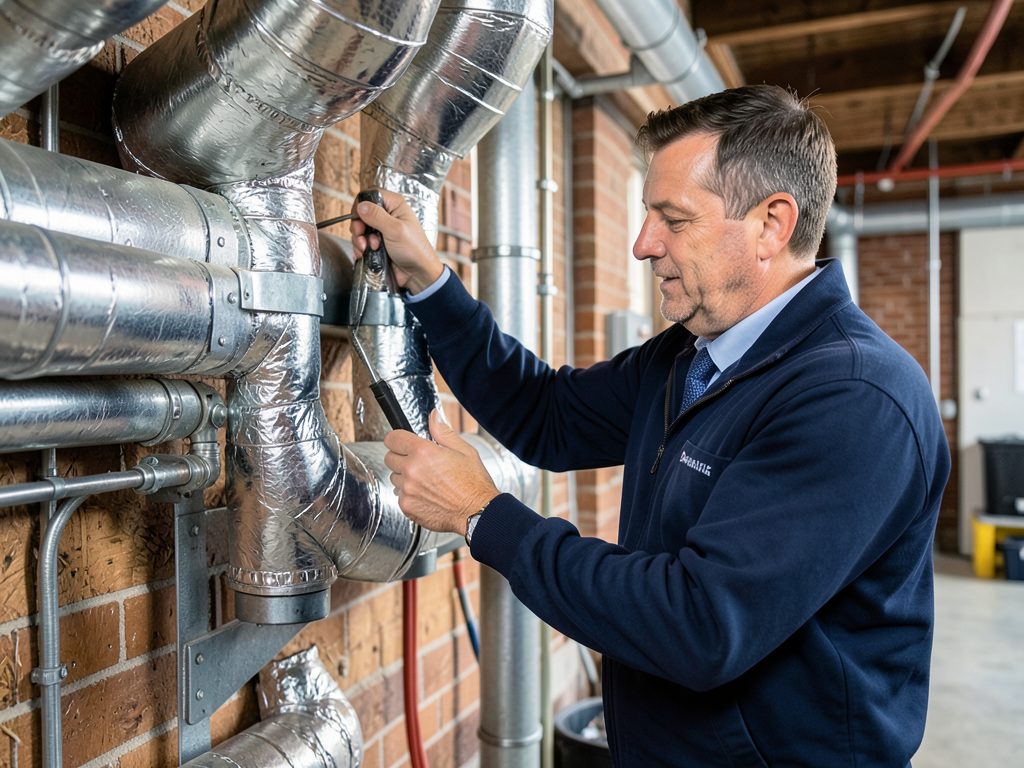
Smart Ways to Hide New Ductwork During a Lower Lawrenceville Loft Renovation Lower Lawrenceville lofts present unique HVAC challenges. High ceilings and exposed brick walls demand creative ductwork solutions that balance industrial aesthetics with modern…
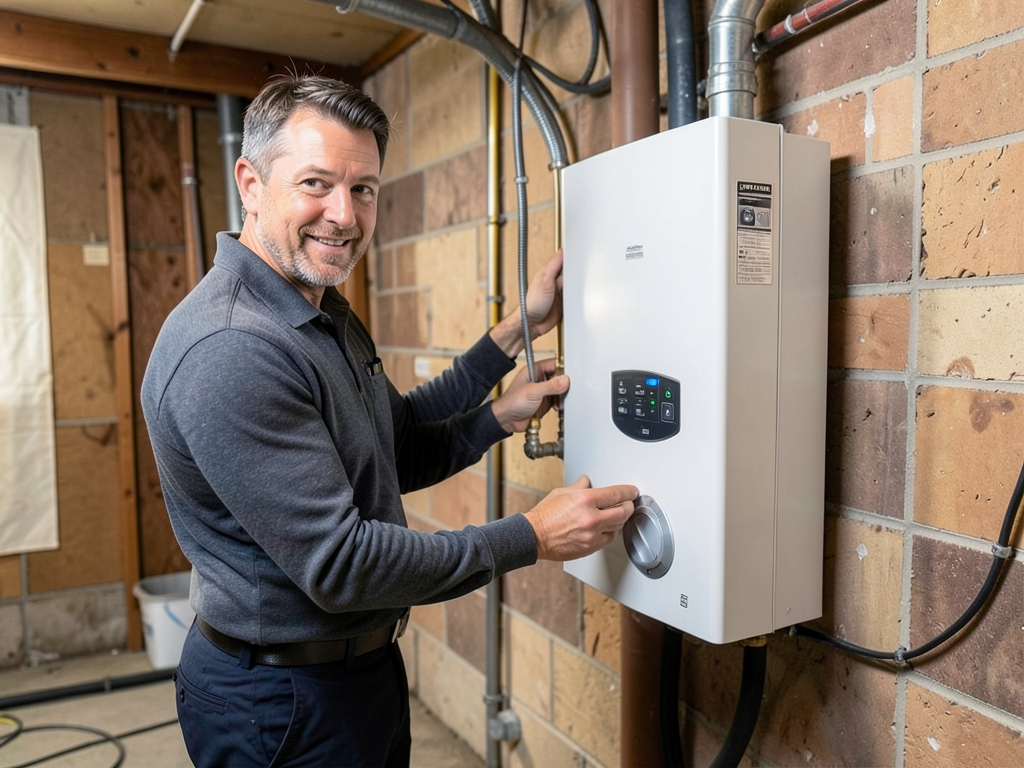
Understanding Your Crafton Heights Heating and Hot Water Options Choosing between a combi boiler and…
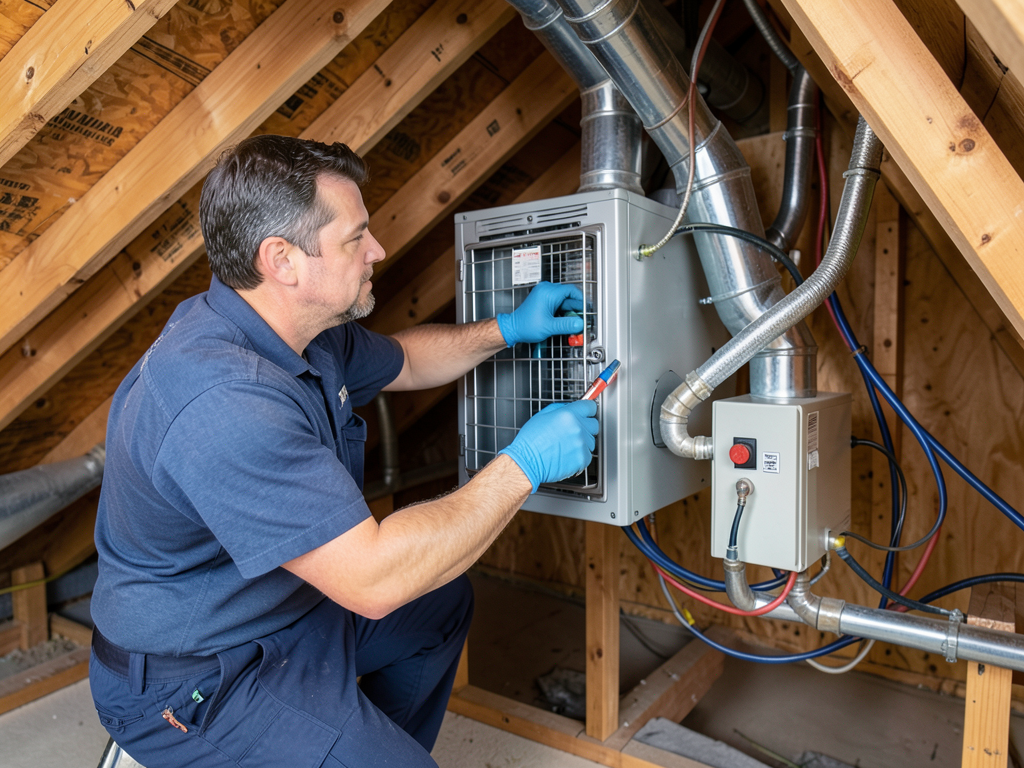
Improving Indoor Air Quality in Your Overbrook Home After Upgrading to Modern Windows New double-pane…
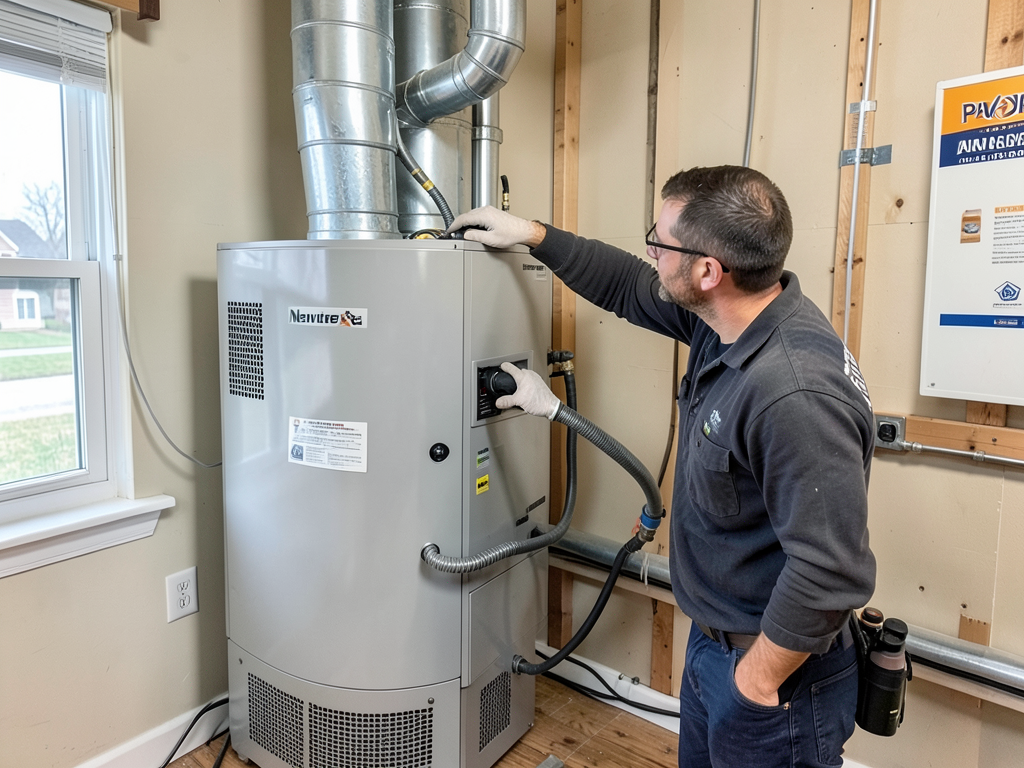
Why You Might Need a High Performance Air Purifier if You Live Near Neville Island…
Your comfort cannot wait. Call Apex HVAC Pittsburgh now at (412) 387-0477 for immediate dispatch. We answer 24 hours a day, seven days a week, with technicians ready to restore your heating or cooling fast. Most emergency calls receive service within hours, not days.